
I am currently reading “Zen and the Art of Saving the Planet” which is based in the life and teaching of Buddhist Thich Nhat Hanh. The book includes lots of discussions on mindfulness and other Buddhist techniques. It was the inspiration behind the inclusion of meditation in our Advent journey as a form of prayer. I believe, and I think Thich Nhat Hanh would agree, there is much we can learn from one another.
I feel the same way about so much of what I have read and witnessed from First Nations, Métis, and Inuit communities, especially around their sense of relationships. In their communal practices, I see reflections of how early Church communities behaved. I truly wish that we could continually build upon a foundation which centres relationships that are respectful and reciprocal.
Buddhism and Indigenous Traditions are not typically part of the catechism, the educational resources for Christians generally and Anglicans specifically. These practices are not going to be on any test for those wanting to be baptised. But that doesn’t mean we can’t learn from them. No doubt there are other traditions from which we can learn too. What traditions and practices outside of the Christian and Anglican Church do you think teach us something about God, Creation, and faith? What inspires you?
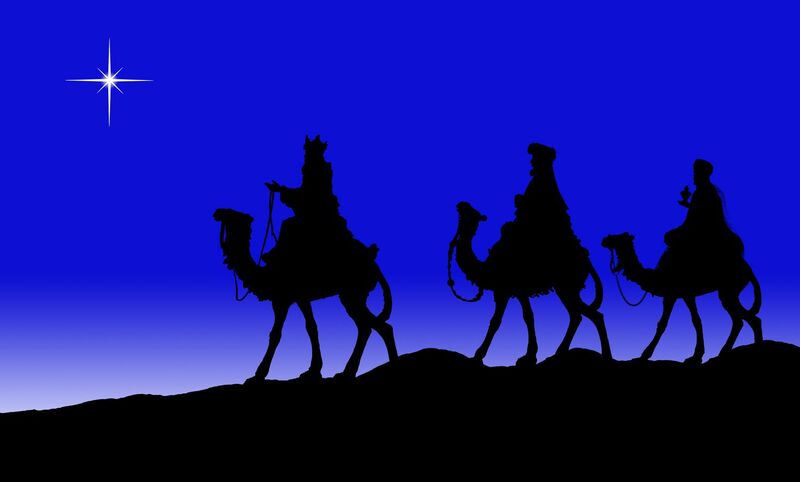
In the time of King Herod, after Jesus was born in Bethlehem of Judea, wise men from the East came to Jerusalem, asking, "Where is the child who has been born king of the Jews? For we observed his star at its rising, and have come to pay him homage."
That the Magi come from the East is significant. These individuals are foreigners. They are specifically established as wise individuals who are not Jewish and yet, they paid attention. They were aware of Jewish traditions and practices. They knew about the prophecies, as it seems, better than King Herod did. And they were prepared to respect and honour those traditions, practices, and prophecies.
Can we imagine what this moment would be like? We are awaiting the return of Jesus. What would happen if Buddhists or First Nations or Muslims showed up at Lambeth, where our Archbishop of Canterbury resides or say at the Vatican where the Pope lives and asked where Jesus is because they had seen the signs? How might the Archbishop or Pope respond discovering someone beyond our tradition might know something they didn’t? To what extent can we embrace the possibility that we can learn something so important about God and faith from people outside of our tradition?
Perhaps we can appreciate why Herod responded the way he did. It takes a great deal of humility to learn from the examples and wisdom of others. Humans don’t always do well with humility. We don’t like to admit that there are things we don’t know or can’t do. It feels like a sign of weakness. And yet, for those who choose to humbly pay attention, gifts can abound.
The Magi brought gold, frankincense, and myrrh. These are signs of the kingship, priesthood, and foreshadowing of the death of Jesus. This wisdom is shared at the cradle from beyond the Jewish community for those willing to receive it. The story boldly proclaims the possibilities to those willing to listen: Don’t ignore what others might bring! God’s gifts work in and through a multitude of individuals – including foreigners from the East.
Year after year we celebrate Epiphany as a gentle reminder to be humble, to watch for the wisdom of Magi, and the many diverse peoples around the world whom God gifts. May we continually be humble in our openness to listen and learn as we seek relationships that are respectful and reciprocal with the diversity of God’s Beloved children. This we pray as we sing: We Three Kings