
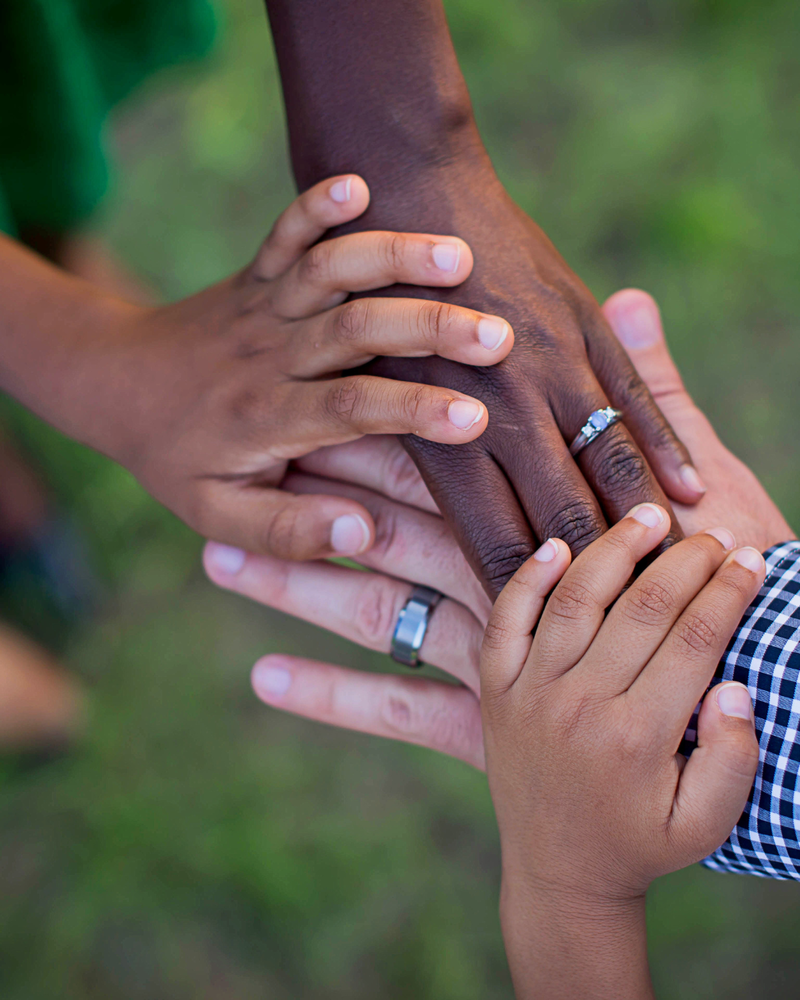
I admit there are times when I am introducing myself and I find out someone is from the Windsor area, I will ask if they remember Coyle’s Jewellery in Riverside. The store existed for over 50 years and was well known and respected in the region. Even though it closed some 20 years ago, people still have stories and memories. To be able to say that I am connected to this family, this legacy, offers some insights into who I am for those who might be meeting me for the first time.
We all come from somewhere. How do you locate yourself? What are the histories and legacies that you connect yourself to when you introduce yourself? Why do these matter?
These are the descendants of Isaac, Abraham's son: Abraham was the father of Isaac, and Isaac was forty years old when he married Rebekah, daughter of Bethuel the Aramean of Paddanaram, sister of Laban the Aramean.
Notice how family history and ancestry is important in the Bible. Matthew actually provides a genealogy of Jesus at the start of his Gospel. There is value in knowing where people come from to connect the stories to history and families and traditions and community. Isaac was born among the Canaanites, but they went back to find Rebekah from among the Arameans to maintain their connection to their ancestors. These connections matter. With each generation, the question remains, what do we do with these connections? What do we do with the legacy we have been handed?
Jacob and Esau are the sons of Isaac and Rebekah, and grandsons of Abraham and Sarah. They have powerful ancestry. Yet, their stories are filled with some questionable moments. Jacob is devious and exploits Esau’s weaknesses to gain advantages. Jacob takes advantage of Esau’s hunger to get his birthright, the privileges of the firstborn that included a double portion of the estate and headship of the clan. Jacob will later trick their father into also giving him the blessing depriving Esau of every advantage he had from being born first and undermining his relationship in the household. This is not an ideal example of embodying tradition and legacy, at least from the Jewish perspective.
Jacob’s story does improve. He battles with God and ends up with a limp. Eventually he fathers 12 sons who go on to create the 12 tribes of Israel. Of course, the fact that his sons tried to kill and then sold one of their own, namely Joseph, suggests the legacy Jacob passed on, was a bit problematic. God continually redeems Jacob and his sons in acts of mercy and love. Such are the stories of the Bible.
What about us? To what extent have we contemplated the legacy we are passing on to the next generation? To borrow a metaphor from today’s Gospel to what extent have we considered the seeds we are sowing? What does it look like to intentionally make choices in the hopes that future generations will be inspired to also make good choices? What examples do we have?
We are connected, past, present, and future. We learn from our past, we act in the present and can inspire the future through our choices and our actions. May we choose to sow seeds that reveal our faith that God working in us and can do infinitely more than we can ask or imagine as God has done from generation to generation. This we pray as we sing: (VT) 789 Be a Sower